Muhammad Yusuf's pick · Updated August 2026
AI Smart Glasses
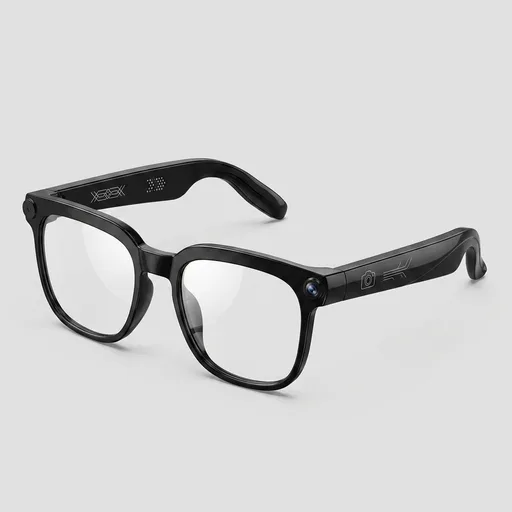

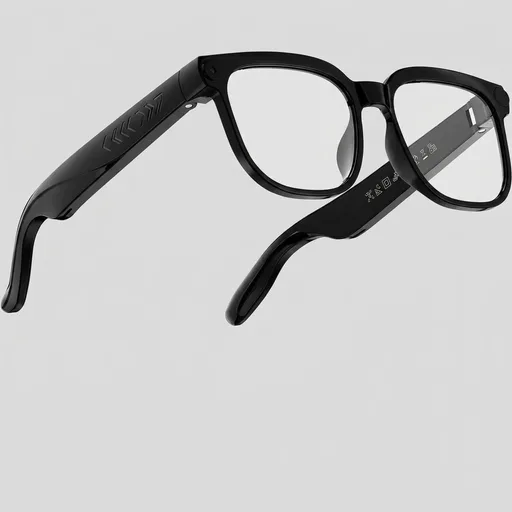
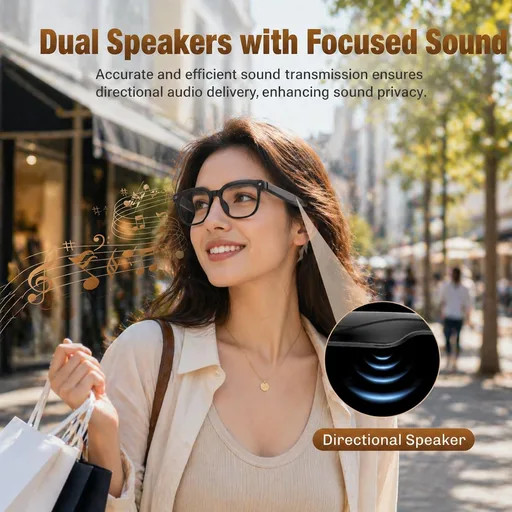


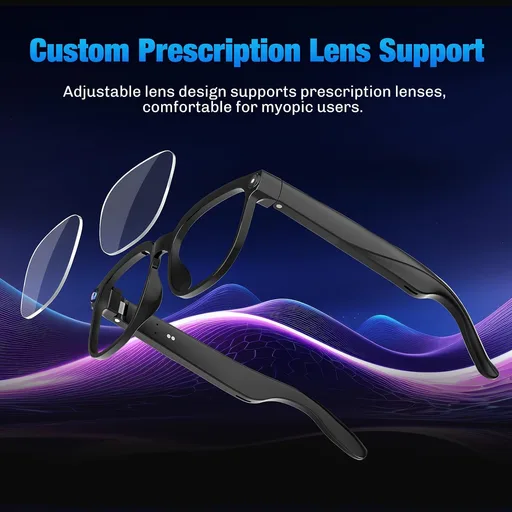
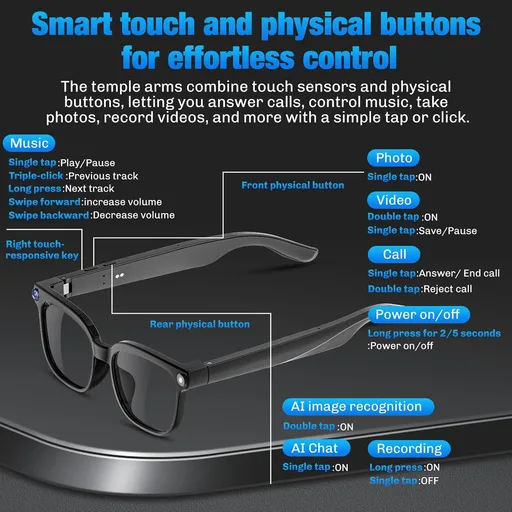
AI smart glasses like this may appeal to someone who wants hands-free capture, quick voice queries, and a more discreet way to carry a camera than a phone or action camera. The mix of camera, translation, object recognition, open-ear speakers, Bluetooth calling, and transparent lenses points to a product aimed at people who want information and communication close to eye level without covering their ears or blocking their view.
That combination is the main reason to consider them. A wearable device can make sense for travel, field notes, content capture, light assistance while moving around, or situations where pulling out a phone is awkward. Real-time translation and object recognition sound especially relevant for someone who wants fast prompts on the go, while open-ear audio suggests a setup that tries to keep the user aware of their surroundings. Transparent lenses also matter for people who want the glasses to look more like eyewear than a bulky camera rig.
The most important thing to verify is how much of that promise survives everyday use. With a product like this, the practical questions matter more than the headline features: how clear the video really is, how fast translation responds, whether object recognition is useful or merely occasional, how well the microphone and speakers handle noisy places, and how long the battery lasts when the camera and wireless features are active. Comfort is another point to check. Smart glasses can look light on paper and still feel front-heavy after a while, so the frame shape, nose fit, and overall balance are worth paying attention to before buying.
The evidence posture here is simple: the listing points to a feature-rich wearable, but that alone does not tell a buyer how reliable it will be in real conditions. A smart-glasses product is especially dependent on software quality, app support, heat management, privacy controls, and whether the camera, calling, and assistant functions work smoothly together. Those are the things to research, compare, and confirm rather than assume from the title.
This may fit a buyer who cares more about convenience and hands-free function than about a traditional pair of glasses. It could be a reasonable option for early adopters, frequent travelers, or anyone who wants to experiment with wearable AI features without wearing a headset. For a shopper who wants a plain pair of glasses first and a gadget second, the safer move is to check the fit, the battery claims, the app requirements, and the privacy details before deciding.
Some Amazon links are affiliate links. Muhammad Yusuf may earn a commission from qualifying purchases at no extra cost to you. As an Amazon Associate I earn from qualifying purchases.
See current price